
PRH

Princess Royal Hospital Telford
The TMBSS Hospital Educational Coordinator is available on the ward 3 days a week during term time.
Who do we coordinate education for?
The paediatric wards at Princess Royal Hospital Telford (PRH) and are part of the Shrewsbury and Telford Hospital Trust (SATH).
Ward 19: is a 33-bed general paediatric ward, including a 2 bed HDU bay, for patients aged 0-17 years.
Admissions are generally unplanned and can be short and long-term. Longer term patients may have complex medical or mental health needs. Recurrent patients may have a planned admission for treatment.
The Oncology and Haematology Unit: is a 2 bed day-case and 3 bed in-patient Unit.
Patients on this Unit have a cancer diagnosis or haematology diagnosis, they are recurrent and have both planned and unplanned admissions.
Patients are generally registered with Shropshire, Telford and Wrekin or Powys schools or may be Electively Home Educated [EHE].
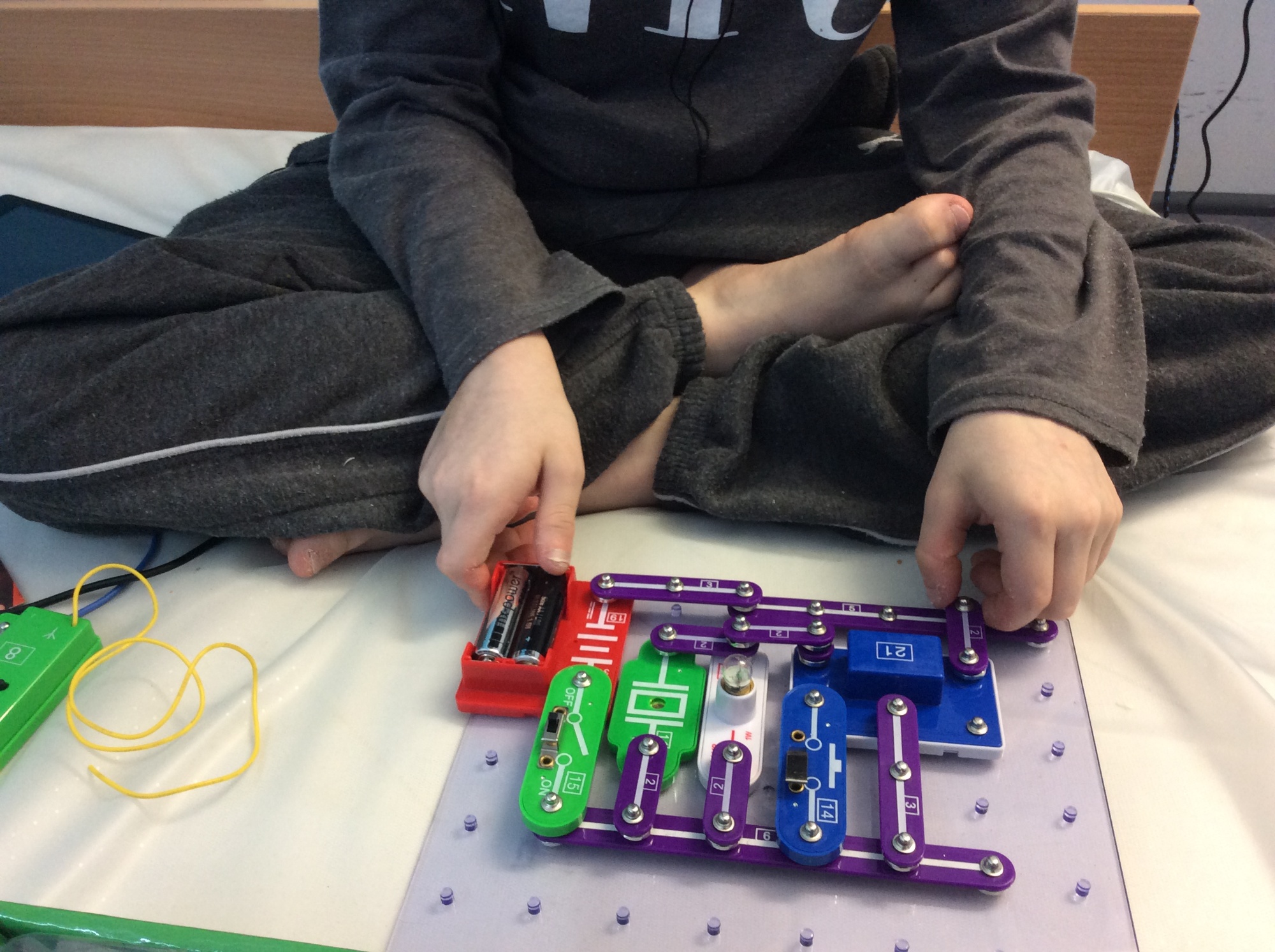
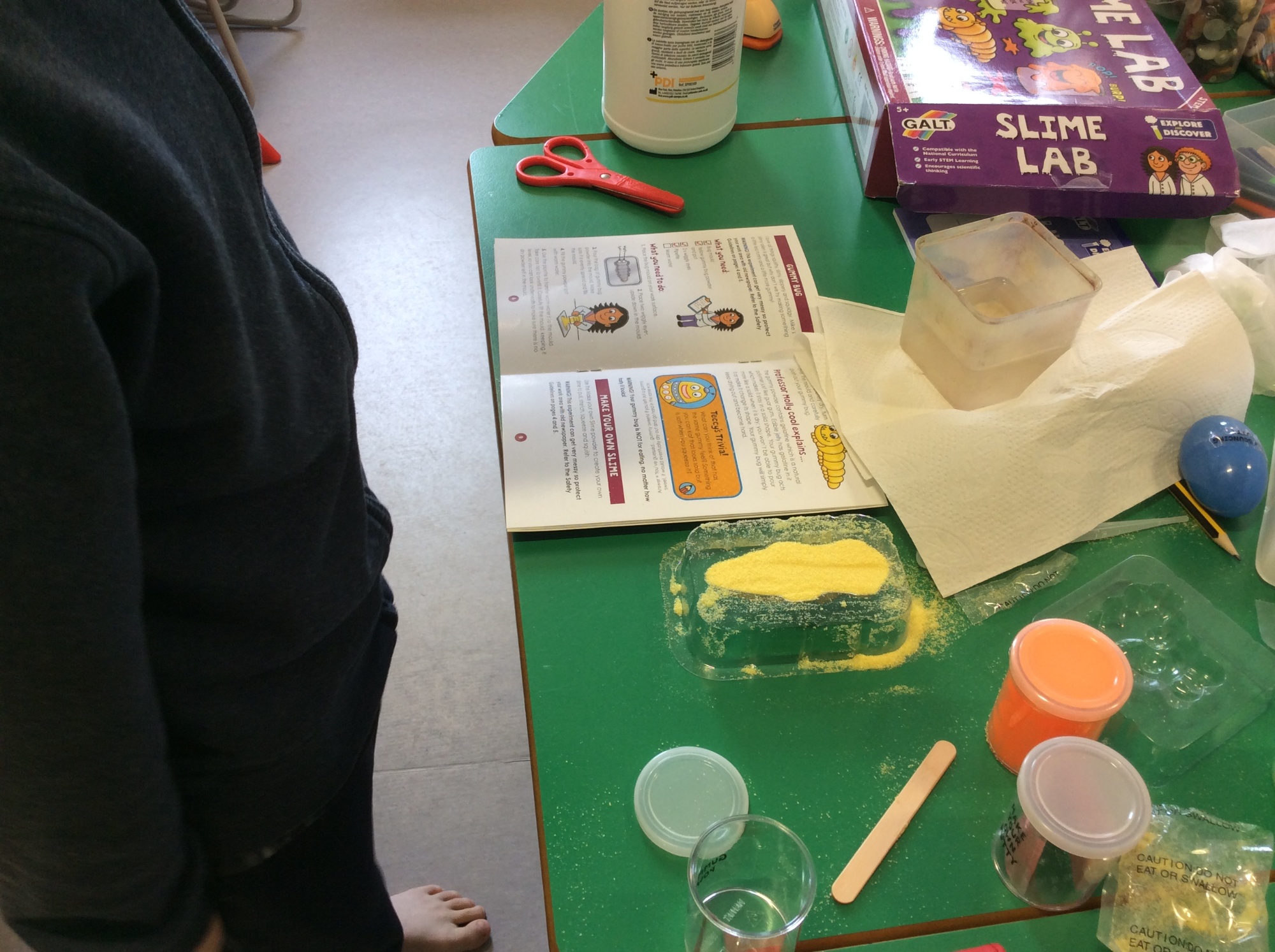
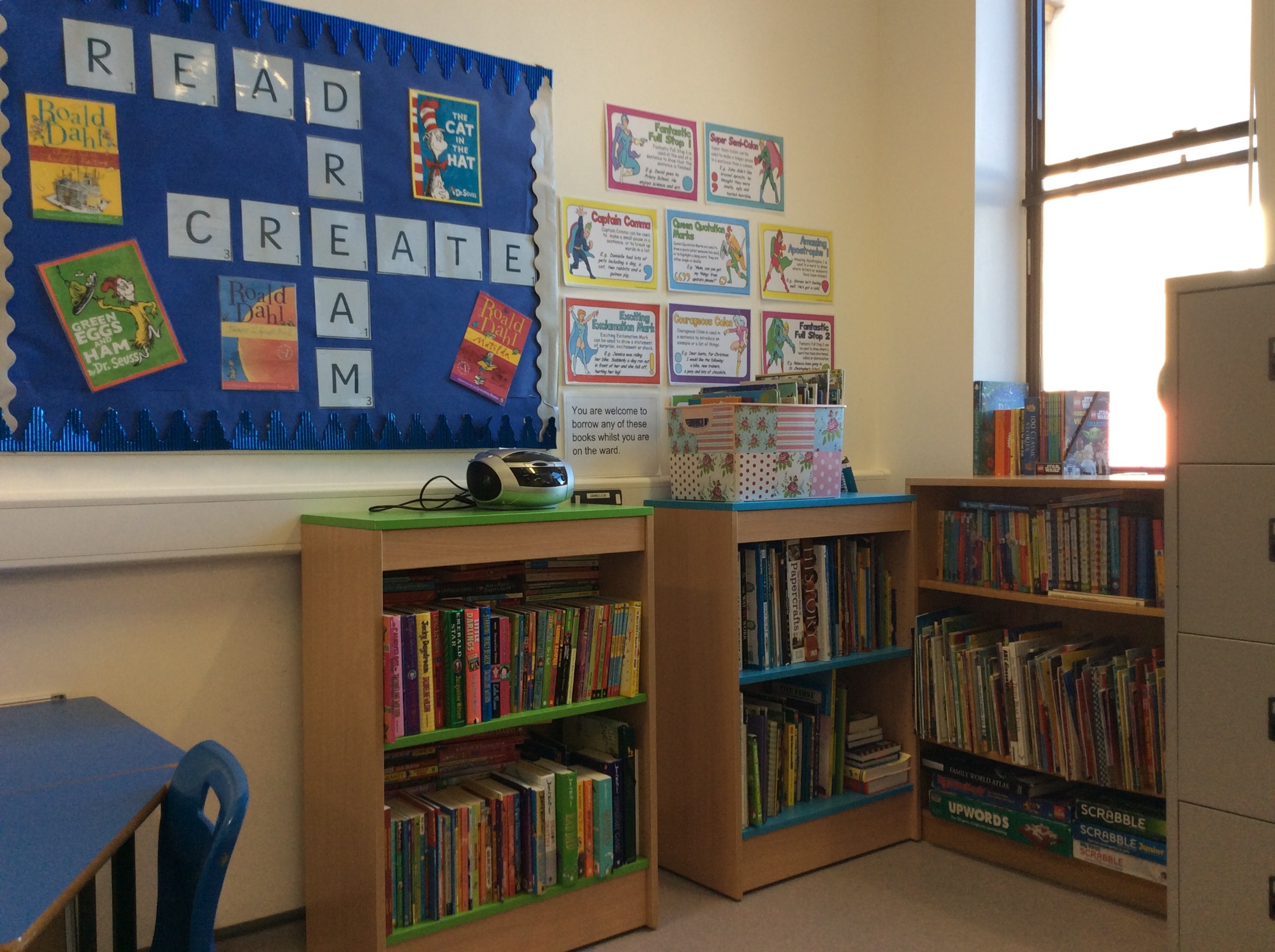
Where do we support our patients?
Ward 19 has a room where patients can undertake their studies. The room is accessible to wheelchairs and beds.
Oncology and Haematology patients can undertake their studies within the unit communal play area or family room.
There is also flexibility to support at their bedside when this is the most suitable option.
How do we coordinate education?
The Hospital Educational Coordinator monitors the educational provision for patients and establishes that they have an educational provider.
The Hospital Educational Coordinator follows up any concerns raised by ward staff related to a patient’s education and acts as a link between medical staff and schools. They can support with planning for education post discharge.
Educational sessions are arranged to accommodate medical procedures and treatment.
Initial contact includes introductions to the service for parents/carers and patients and for the Hospital educational Coordinator to gain an understanding the impact the patient’s medical condition and treatment may have upon their educational access.
For recurrent or long-term patients, the usual school setting is contacted for information including strengths and difficulties, safeguarding concerns, attendance, additional needs and to request the provision of appropriate subject work, if required.
The Hospital Educational Coordinators supports young people at an appropriate level from Year R to Y11. Although not curriculum specialists they facilitate learning with access to whole service resources.
Assessments from TMBSS can be used as required and further specialist advice can be obtained from TMBSS subject coordinators as required.
Patients follow a flexible, personalised learning programme that can encompass the whole curriculum and enrichment activities. It not only encourages academic development but reflects their changing medical and mental health needs.
How do we support our patients & promote well-being?
The Hospital Educational Coordinator spends time with patients, parents and carers and especially those admitted to the Oncology and Haematology Unit, to develop positive relationships based on respect, listening, supporting and trust to enhance their learning experience.
Patients' emotional wellbeing can fluctuate, and they may be experiencing pain both emotionally and physically, appear highly anxious, frustrated or low in their mood. Staff recognise this and respond appropriately with a highly flexible approach that encourages a sense of normality and nurture.
The nature of our educational provision endeavours to maintain a sense of normality for patients whilst in hospital, celebrating their achievements and successes, encouraging resilience and independence.
The Hospital Education Coordinator is aware that those patients who are admitted as a result of experiencing poor mental health require an especially nurturing approach that helps develop their self-esteem and confidence.
For those patients transitioning back into school after an extended absence the Hospital Education Coordinator works in partnership with school and medical staff to ensure a smooth transition. This not only acknowledges the challenges the patient faces but also motivates and nurtures their self-esteem and confidence.
How do we communicate, review and report?
The Hospital Educational Coordinator completes a daily record of the intent, implementation and the impact of sessions. This reflects the emotional and social impact as well as the academic outcomes. Attendance is recorded on an electronic register. A weekly return is completed summarising the support provided by the Hospital Educational Coordinator which is shared with the Senior Leadership Team at TMBSS, Medical Needs Team at Telford and Wrekin and Ward Managers.
Contact with the usual school setting is ongoing throughout the admission for long term and recurrent patients. A report on education delivered and the patients’ achievements can be produced for home school and medical staff upon discharge if required.
As admissions change daily communication with ward staff is a priority. The ward handover sheets include medical, social and safeguarding information and are reviewed at the start of each day with input from the Play Specialist Team and members of the medical team who have attended a ward handover. This helps identify those whose learning needs are a priority. Each patient has a named nurse who can be approached for further information prior to contact with a patient.
The Hospital Educational Coordinator also works closely with other agencies involved with each patient including Mental Health Services, Community Eating Disorders Team, Psychologists and Speech and Language Services
The Hospital Educational Coordinator attends a bi-weekly Multi-Disciplinary Team Meeting with the Oncology Team for medical, psychological and safeguarding updates on all Oncology patients. This helps the Hospital Educational Coordinator ensure that other professionals working with children with a cancer diagnosis understand the impact of the diagnosis. Guidance is provided to schools to provide appropriate medical home tuition for oncology patients.
The Hospital Educational Coordinator attends a bi-weekly meeting with the Medical Needs Team at Telford and Wrekin where information on current patients is shared. Potential students with medical conditions are also flagged up to the Hospital Educational Coordinator.
A collaborative working partnership exists between Hospital Educational Coordinator's at RJAH and PRH hospitals with the sharing of good practice. Regular meetings are held which includes:
- Half-termly meetings with TMBSS Line Manager & TMBSS Executive Head.
- Half-termly in person meetings/ Huddle meetings via Teams between RJAH, PRH Hospital
Educational Coordinators.
- Attendance at TMBSS Personal Development, Welfare & Behaviour Working Party.
- Attendance at TMBSS service staff meetings and training sessions.
Hospital Educational Coordinators not only liaise closely with home schools to provide a personalised programme but also with other agencies and professionals that are involved with patients.
Safeguarding
The Hospital Educational Coordinator is a Designated Safeguarding Lead and receives regular training updates through TMBSS.
Ward safeguarding procedures are followed, and any safeguarding concerns are written in patient notes and reported to the patients Named Nurse, Nurse in Charge or escalated to the Named Nurse for Safeguarding Children as appropriate.
TMBSS safeguarding procedures are followed as appropriate and staff have access to CPOMS to share information if the patient is on TMBSS roll.
A central electronic register (Child Protection Information Sharing, CPIS) is used on the ward which alerts staff to key information relating to safeguarding.
Ward staff share safeguarding information in handover and via the handover sheet. All safeguarding information is recorded in patient files on admission which the Hospital Educational Coordinator can view.
Accessibility Plan
All Accessibility plans can be found on the SEND page.