
RJAH

Alice Ward at Robert Jones & Agnes Hunt Orthopaedic Hospital (RJAH)
The TMBSS Hospital Educational Coordinator provides support during term time.
Who do we coordinate education for?
Alice Ward is the children’s orthopaedic surgery and rehabilitation 16 bed ward at the Robert Jones & Agnes Hunt Orthopaedic Hospital (RJAH). Children and young people, between the ages of 0-17 years, are routinely admitted for planned surgery, intensive physiotherapy, and rehabilitation.

In-patient stays can be both short -term and long-term with some patients travelling significant distances for their medical treatment. Alice Ward provides specialist advice, diagnosis, and treatment for the whole spectrum of bone, joint and muscular disorders during childhood.
Patients are registered with schools across both England and Wales, attending mainstream, specialist provision, or Elective Home Education (EHE).
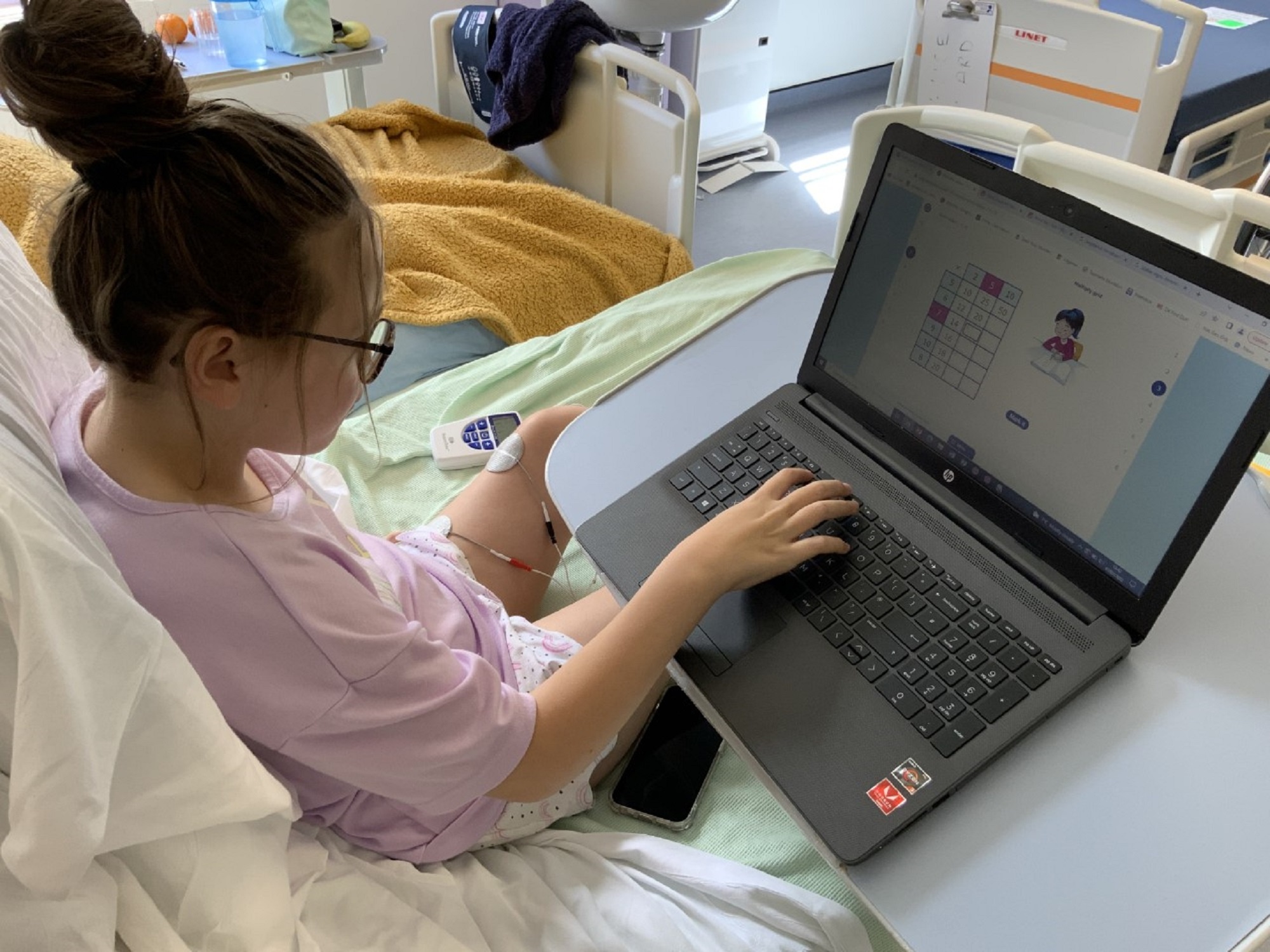
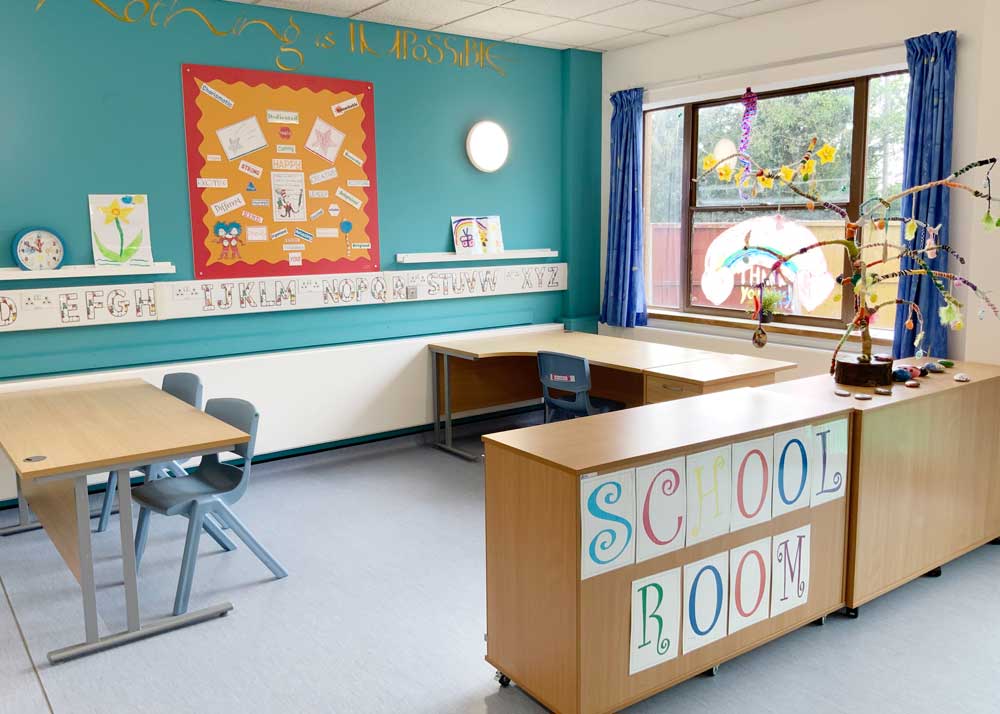
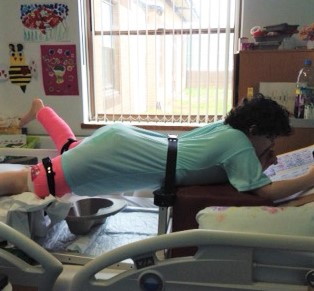
Where do we support patients?
Alice Ward has an open-plan area suitable for both wheelchair and bed access. There is also flexibility to support patients at their bedside when this may be the most suitable option.
How do we coordinate educational provision?
The Hospital Educational Coordinator monitors the educational provision for patients and establishes that they have an educational provider. The Hospital Educational Coordinator supports young people from Year R to Year 11, although not curriculum specialists, they facilitate learning with access to whole service resources at TMBSS. Assessments from TMBSS can be used as required, and further specialist advice obtained from TMBSS subject coordinators as required.
An initial meeting introduces the service to the patient and their parent/carer. This also enables the gathering of relevant medical and educational information, allowing for an understanding of the impact a patient’s medical condition and treatment may have upon their access to education.
The Hospital Educational Coordinator works with patients to provide a highly flexible approach to their education, balancing medical needs and treatment with mental health and well-being. Communication and liaison with the usual school setting allows for an awareness of information regarding a patient’s strengths and difficulties, attendance, and any safeguarding concerns. This also provides an opportunity to request the provision of appropriate subject work.
The Hospital Educational Coordinator follows up any concerns raised by ward staff related to a patient’s education and acts as a link between medical staff and schools. Working in partnership with the patient, family, medical staff, school and other agencies, the Hospital Educational Coordinator helps to ensure a supportive, positive plan going forward once discharged from hospital.
How do we support our patients & promote wellbeing?
The Hospital Educational Coordinator spends time with patients, parents and carers throughout their admission to develop positive relationships based on respect, listening, supporting and trust. Patients emotional wellbeing can fluctuate, they may be experiencing pain- both emotionally and physically, appear highly anxious, frustrated or low in mood. This is recognised by staff and responded to appropriately within a holistic, nurturing, and positive environment.
The nature of our educational provision endeavours to maintain a sense of normality for patients whilst in hospital, celebrating their achievements and successes, encouraging resilience and independence.
For those patients transitioning back into school after an extended absence, the Hospital Educational Coordinator works in partnership with the patient, family, medical staff, school, and other agencies. This is to ensure a supportive, smooth transition which acknowledges challenges faced by the patient and helps to motivate and nurture their self-esteem and confidence.
How do we communicate, review and report?
The Hospital Educational Coordinator completes a daily record of the intent, implementation and impact of sessions. This reflects the emotional and social impact as well as academic outcomes. Attendance is also recorded on an electronic register. A weekly returns sheet is completed summarising the support provided by the Hospital Educational Coordinator and shared with the Senior Leadership Team at TMBSS. Contact with the patient’s usual school continues throughout the admission.
Ongoing, effective communication is maintained as the Hospital Educational Coordinator attends daily morning handover meetings with nursing staff and physiotherapists.
The Hospital Educational Coordinator works closely with other agencies and professionals who are involved with each patient including Medical Staff, Physiotherapy Teams and the Specialist Transition Nurse, attends a monthly Paediatric Clinical Working Party Group and MDT Meetings for Spinal Injury patients.
A collaborative working partnership exists between Hospital Educational Coordinators at RJAH and PRH hospitals, with the sharing of good practice. Regular meetings are held between both practitioners and TMBSS and include:
- Half-termly meetings with TMBSS Line Manager & TMBSS Executive Head.
- Half-termly in-person meetings /Huddle meetings via Teams between RJAH & PRH Hospital Educational Coordinators.
- Attendance at TMBSS Teaching, Learning & Assessment Working Party
- Attendance at TMBSS whole service staff meetings and training sessions.
- Liaison with a patient’s usual school facilitates ongoing communication throughout their admission.
Safeguarding
The Hospital Educational Coordinator is a trained Designated Safeguarding Lead and receives regular training updates through TMBSS. Ward safeguarding procedures are followed, and any safeguarding concerns are written in patient notes and reported to the patient’s Named Nurse, Nurse in Charge or Named Nurse for Safeguarding Children as appropriate.
TMBSS safeguarding procedures are followed as appropriate with access to CPOMS to share information if the patient is on roll at TMBSS.
A central electronic register referred to as Child Protection Information Sharing (CP-IS) is used on the ward which alerts staff to key information relating to safeguarding. This information is recorded in the safeguarding section of the Patient Pathway on admission to the ward and shared during handover meetings.
Accessibility Plan
All Accessibility plans can be found on the SEND page.